Understanding Your Results: A Guide to Sleep Studies and AHI Interpretation
If you’ve recently completed sleep studies, you may have received an AHI (Apnea-Hypopnea Index) report that looks confusing at first glance. This guide is designed as a layman’s guide to help you understand what the results mean, how they are measured, and how to interpret your AHI score. With the right knowledge, you can feel more confident about your diagnosis and treatment options.
What Are Sleep Studies?
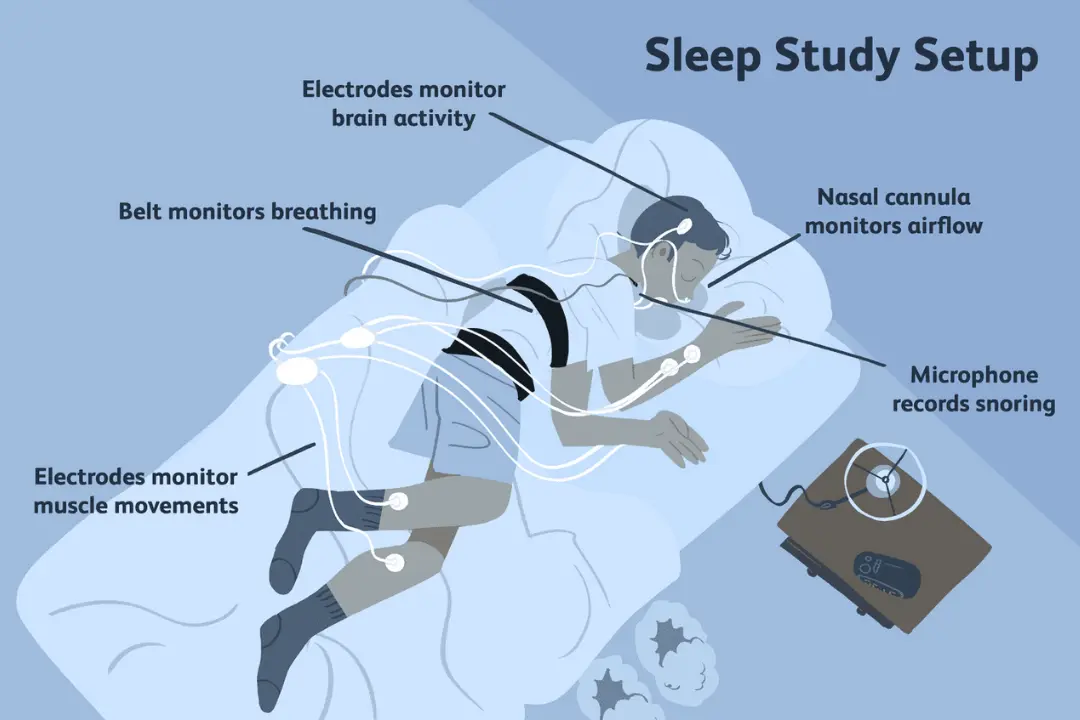
Sleep studies (polysomnography) are tests that monitor your breathing, oxygen levels, brain waves, and heart rate during sleep. They are the gold standard for diagnosing sleep disorders, especially sleep apnea. There are several types, including hospital-based tests and at-home studies like a sleep apnea home study or home sleep study for sleep apnea.
Some patients may qualify for an NHS sleep study at home, while others arrange a sleep apnea test at home through private providers. These simplified studies often measure oxygen saturation and breathing patterns overnight.
Can a Sleep Study Detect Sleep Apnea?
Yes. A sleep study can confirm whether you have sleep apnea and determine its severity. Your AHI score indicates the number of apnea (breathing pauses) and hypopnea (shallow breathing) events per hour of sleep.
Learn more about risks of untreated sleep apnea in our article: Sleep Apnea Checker: Risks & Tests.
How to Read Your AHI Report
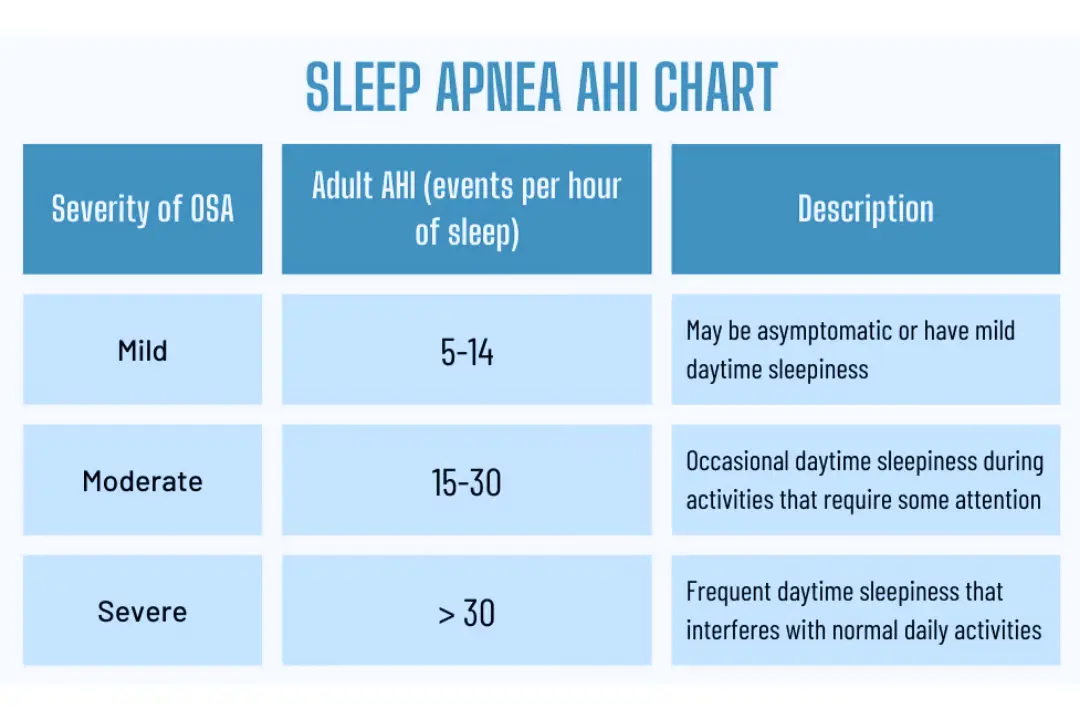
The AHI (Apnea-Hypopnea Index) is divided into ranges:
- Normal: Fewer than 5 events per hour
- Mild sleep apnea: 5–14 events per hour
- Moderate sleep apnea: 15–29 events per hour
- Severe sleep apnea: 30+ events per hour
The “3% rule” refers to oxygen desaturation: if oxygen levels drop by 3% or more, it can count toward an event on your report.
What Tests Are Done to Diagnose Sleep Apnea?
In addition to overnight polysomnography, simplified home studies are often used. These sleep apnea test at home kits measure oxygen saturation, breathing effort, and airflow. While less detailed than hospital tests, they provide enough information for many patients to begin treatment.
See our comparison of different test options: Sleep Apnea Test at Home vs Sleep Lab.
How Often Do You Need Sleep Studies?
Most patients only need one diagnostic sleep study. However, if symptoms change, or if treatment results need to be checked, repeat studies may be recommended. Discuss with your sleep specialist if you notice worsening symptoms or changes in your health.

Treatment Options After a Sleep Study
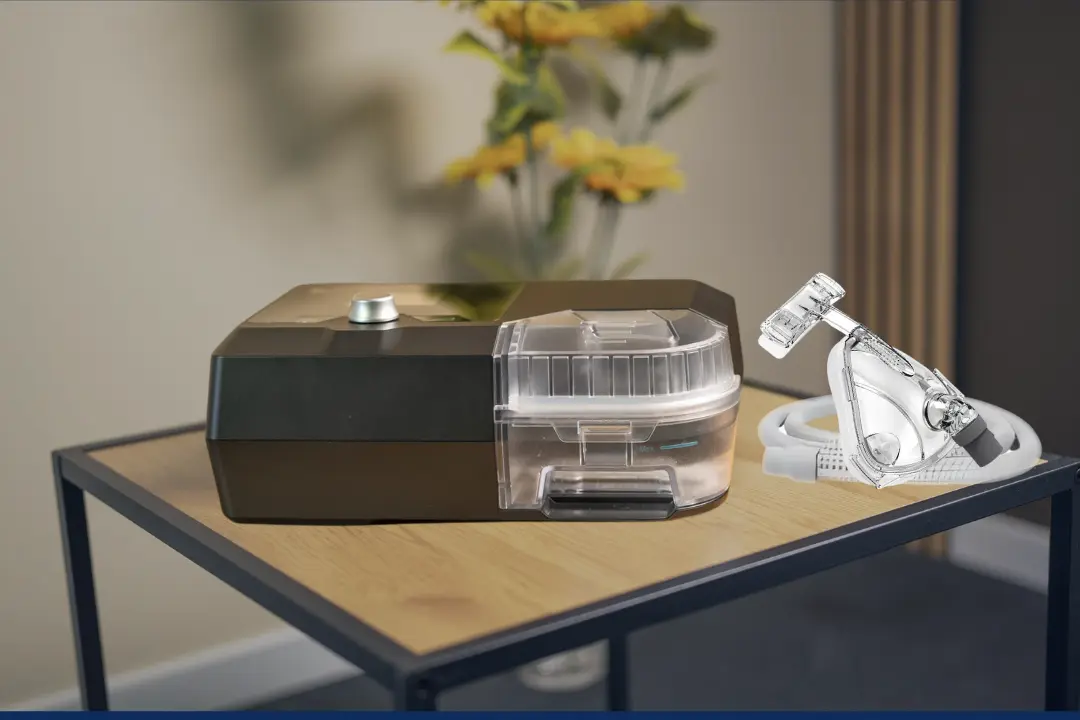
Once diagnosed, the most effective treatment is usually CPAP therapy. A CPAP machine delivers continuous airflow to prevent airway collapse. Many patients start with a device such as the Auto CPAP Machine with Mask, known for its comfort and ease of use.
You can browse our full selection of devices here: CPAP Machines.
External Medical Insight
According to the Sleep Foundation, understanding your AHI score is essential for effective treatment planning. With proper interpretation, your doctor can recommend CPAP, BiPAP, or other therapies tailored to your condition.
Conclusion
Sleep studies provide vital insight into your health and breathing during sleep. By learning how to interpret your AHI report, you can better understand your condition and take control of your treatment. With options ranging from lifestyle changes to CPAP therapy, patients can achieve better sleep and improved overall health.
Frequently Asked Questions
Can a sleep study detect sleep apnea?
Yes. Sleep studies measure breathing events and oxygen levels to confirm the presence and severity of sleep apnea.
How often do I need a sleep study if I have sleep apnea?
Typically once for diagnosis, but repeat studies may be needed if symptoms change or treatment effectiveness needs to be checked.
What tests are done to diagnose sleep apnea?
Overnight sleep lab studies or simplified home sleep study for sleep apnea kits are commonly used.
What is the 3% rule for sleep apnea?
The 3% rule means that if oxygen saturation drops by 3% or more, it can count as a hypopnea event on your report.
Where can I find my AHI report?
Your sleep clinic or healthcare provider will provide your report, which details your apnea-hypopnea index and related results.


_copy_6b59cfc2_90870a01.avif&w=1080&q=75)